Start an ISP
Your first services, without a big network's budget.New retail providers, and IT businesses becoming one.
Sound familiar?
- A direct nbn build means taking on interconnection, aggregation and operational systems yourself.
- Wholesalers want volume before they'll take you seriously.
- Address resources and routing need a plan, whether you use provider addresses, APNIC resources or transfers.
How it works
Get your obligations sorted
Retail providers join the TIO and follow the consumer codes and standards. That part is yours, and it's worth getting right first.
Start with one service
No minimum service count and no Underlay setup fees. We aggregate the nbn side, so there's no direct nbn supply contract of your own to sign. Third-party charges and service-specific commitments are identified before ordering.
Use our IPs, or bring yours
Layer 3 internet runs on Underlay addresses, so you don't have to buy IPv4 to launch. Bring your own range when you have one.
Test before you escalate
Run nbn's own tests from the portal or the API. When it needs us, an engineer picks it up.
Grow into your own network
When the numbers justify it, move to your own addresses or a Layer 2 handoff into your own BNG, with transit and a rack next to it.
Two ways to start
Choose which parts of the access, aggregation and retail operation you want to run yourself.
Going direct
- Connect to the POIs your footprint needs; a national build is a different scale of project
- Plan backhaul or nbn Virtual NNI / NNI Link options
- An nbn contract, credit checks and accreditation
- Your own aggregation, authentication and addressing; CGNAT if your design needs it
- Address resources from APNIC, existing holdings or authorised transfers
- Transit, peering and a rack to put it in
Starting with Underlay
- No minimum service count or Underlay setup fee; third-party charges and terms identified before ordering
- We aggregate the nbn side, so no nbn contract
- Layer 3 internet on our IPs, or your own
- No BNG to build until you want one
- nbn tests, monitoring and alerts in the portal and API
- Engineers on every ticket
What it takes
The obligations that come with selling internet to the public. They're yours whichever wholesaler you use.
- Carriage service providerReselling nbn needs no carrier licence, but it makes you a carriage service provider.Source
- TIO membershipProviders selling to homes and small businesses join the Telecommunications Industry Ombudsman scheme.Source
- Telecommunications Consumer Protections CodeSales, billing, credit and the Critical Information Summary for each plan.Source
- nbn service rulesKey Facts Sheets for each nbn plan, including typical busy-period speeds.Source
- Financial hardship standardA hardship policy for residential, small business and not-for-profit customers.Source
- Customer identity authenticationMulti-factor checks before high-risk account changes.Source
A starting point, not legal advice. Rules change, so check the regulator's pages and get advice for your situation.
What you'll use
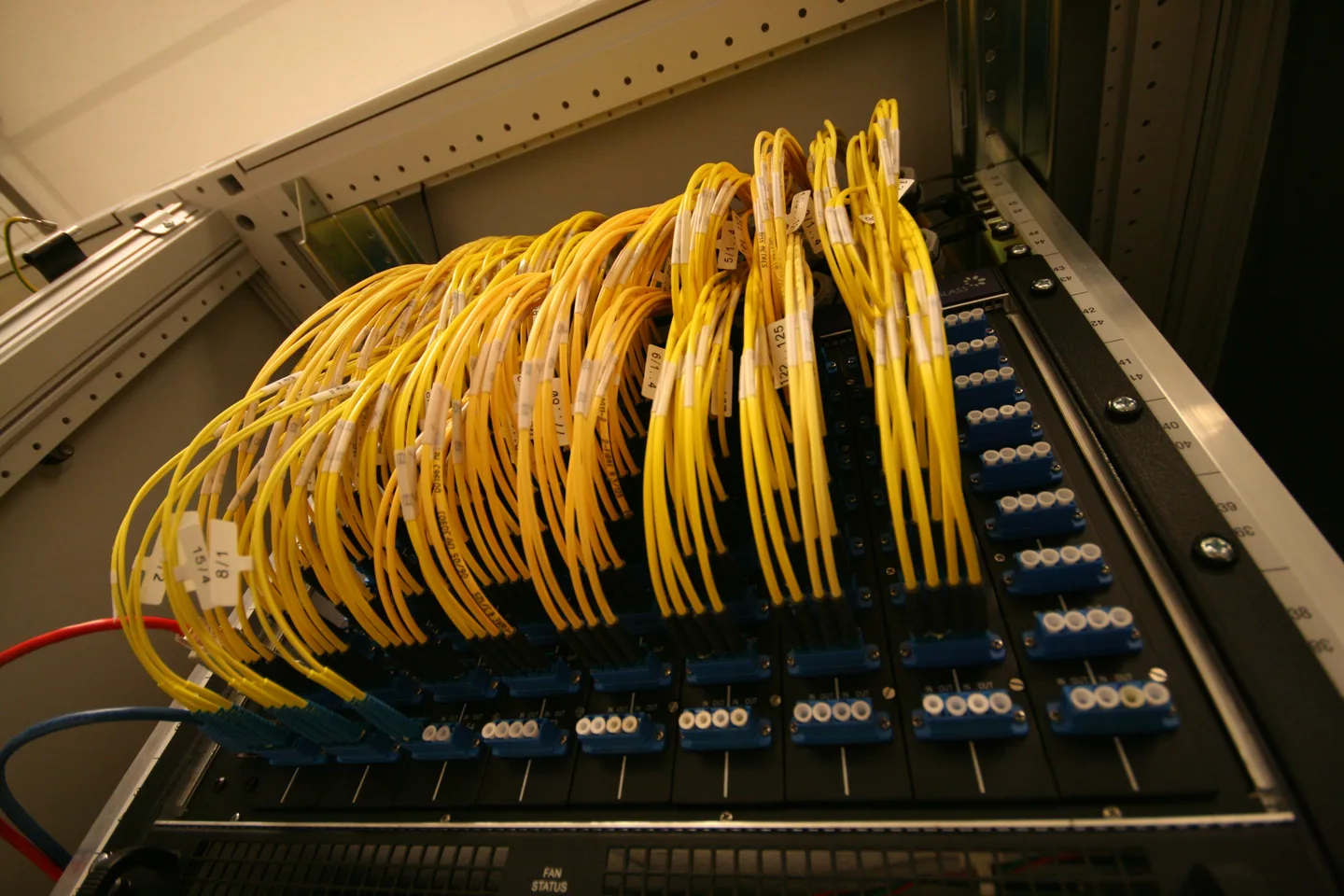
- nbn connectivitynbn across access technologies, subject to address and product qualification; delivered at Layer 2 or terminated by us at Layer 3.
- IP transitFull-table IPv4 and IPv6 transit from AS152590, handed off in Sydney.
- ColocationSpace for your equipment next to the network: shared colocation, or quarter to full racks built to design.
What stays with you
- TIO membership and the retail codes and standards
- Billing and first-line support for your customers
- Your brand, your plans and your pricing
Questions
Do we need a carrier licence?
Not to resell nbn services. You'll be a carriage service provider, with the obligations that come with that.
Do we need our own agreement with nbn?
No. We aggregate the nbn side. You deal with us.
Do we need an ASN or our own IPs?
Not to start. Layer 3 internet runs on our network and our addresses.
Can you make nbn fix faults faster?
Nobody can. What you get is nbn's own test results on demand, so your escalations go in with evidence.
Talk to an engineer
Email or call, and an engineer picks it up.